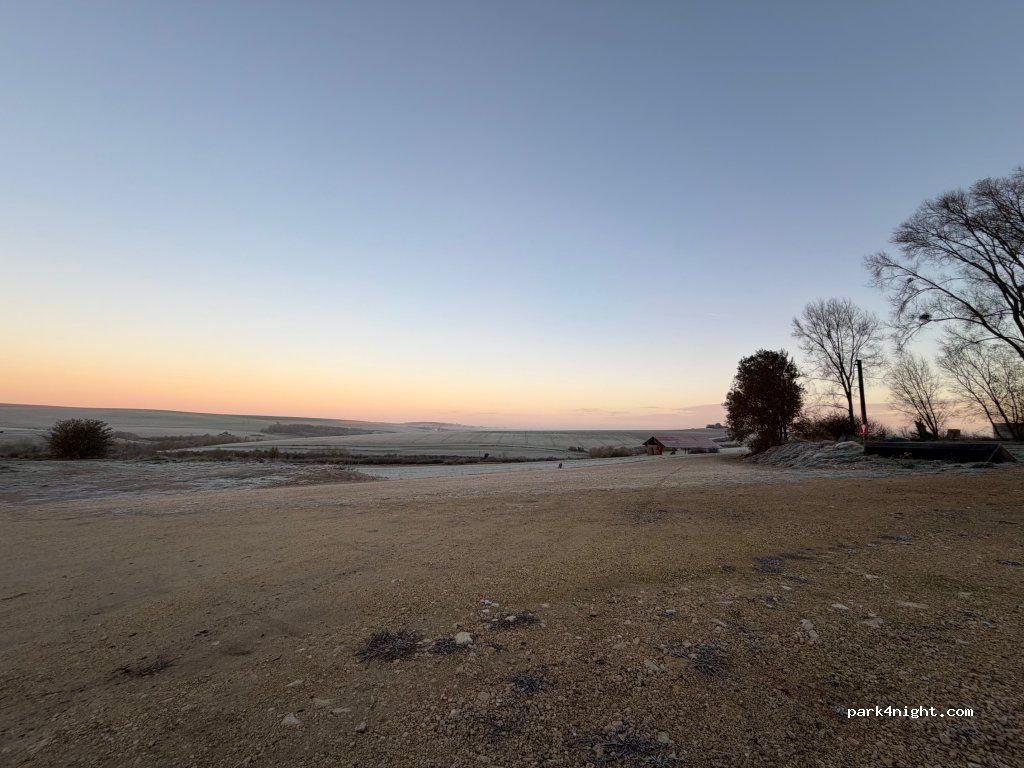
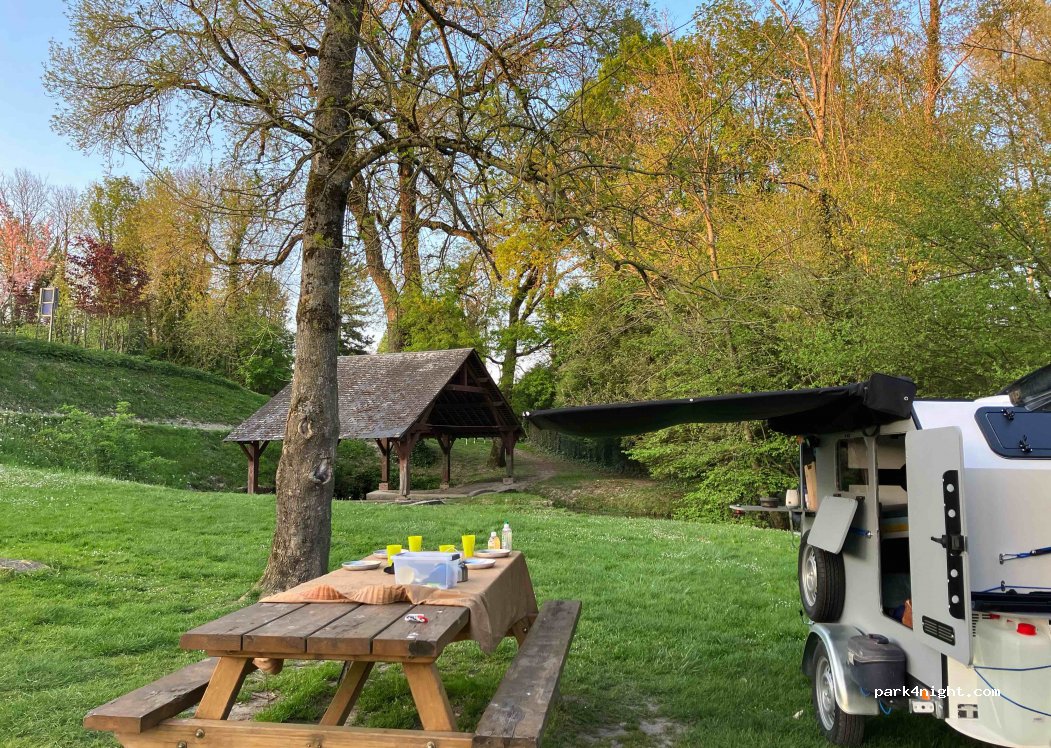
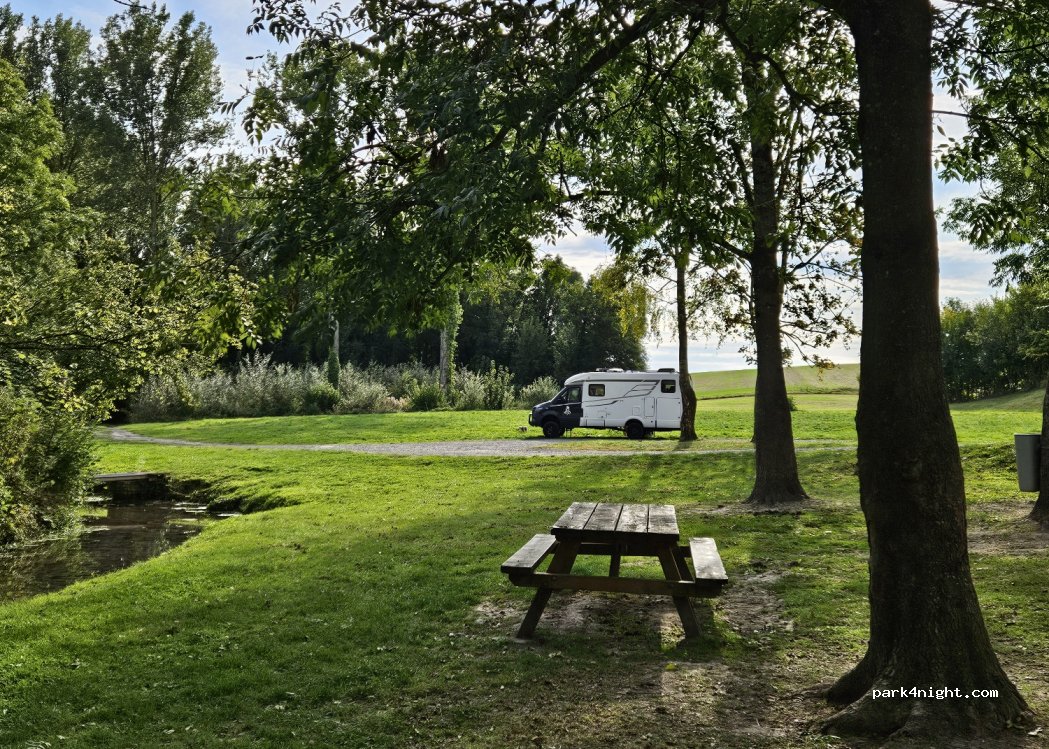
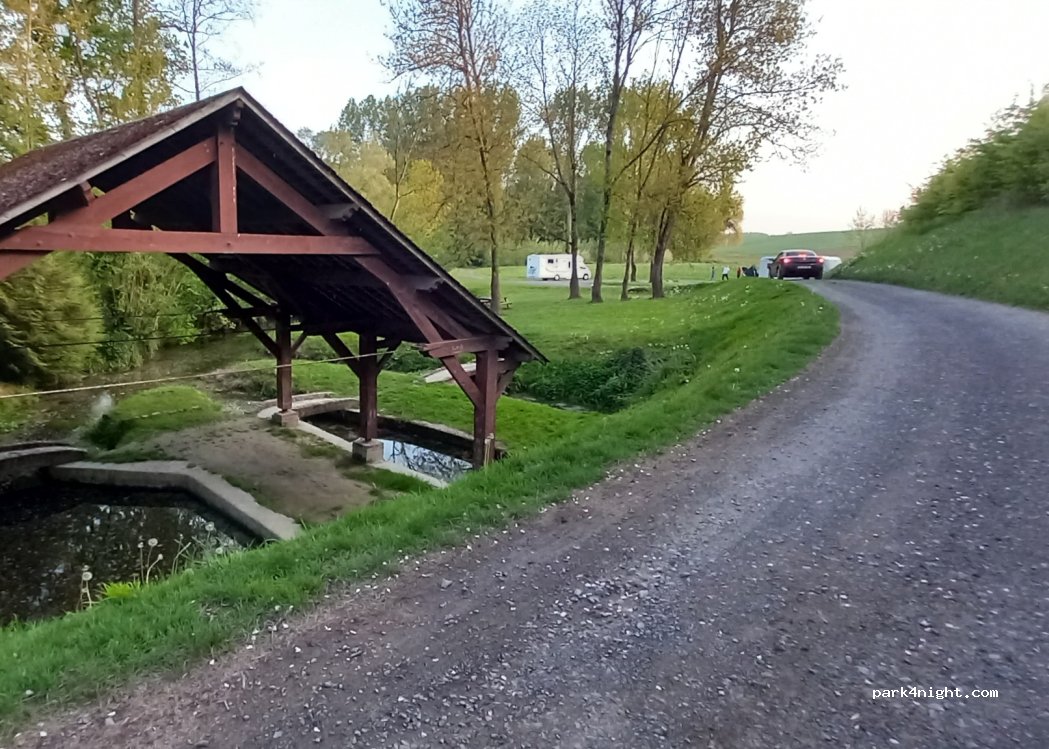
Charmant village à la frontière de la Somme et de l’Aisne. L’endroit repose sur le lavoir du 18 ème siècle, alimenté par des sources jadis réputées pour soigner les maux de gorge, elles se jettent devant vous dans l’Omignon affluent droit de la Somme.
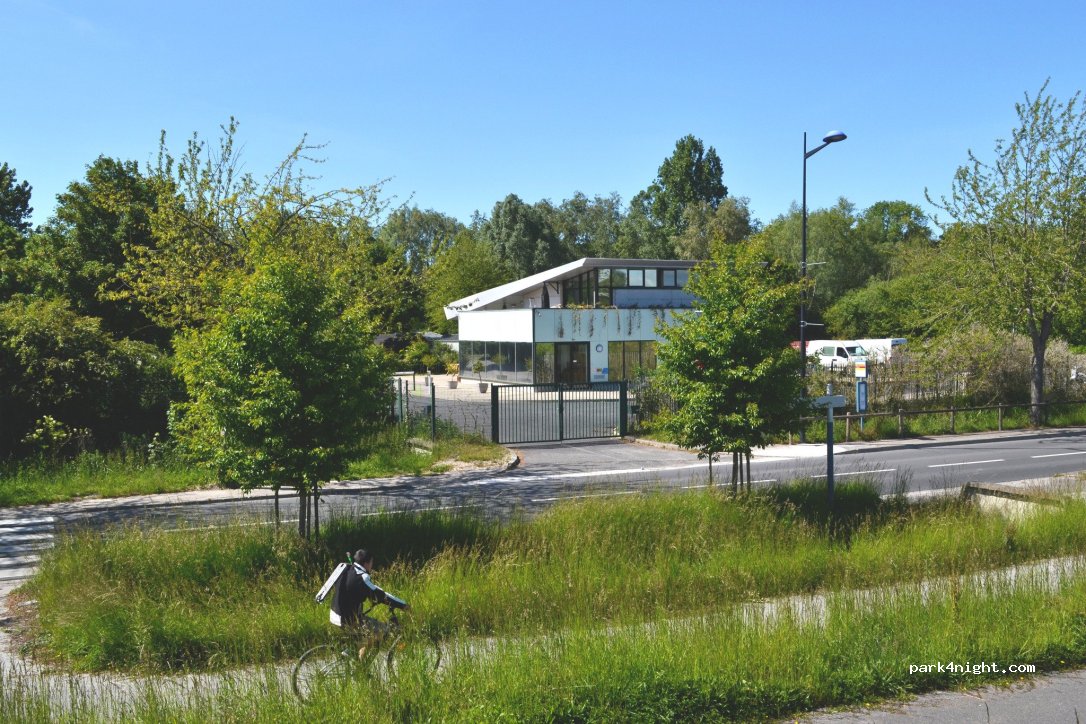
A deux pas vous visiterez le Musée du Vermandois(06.10.26.56.68) installé sur les 5 étages du Moulin : archéologie, minéralogie, paléontologie, préhistoire côtoient l’art religieux, les costumes à travers les âges et les métiers d’antan.
A trois pas, consacrez un moment aux fonts baptismaux du 12ème siècle en pierre bleue de Tournai, aux vitraux modernes et colorés de Paul Charavel, classés Monuments historiques et situés dans l'église Sainte-Marguerite. Chapelles Saint-Blaise et Saint-Quentin et l'oppidum gallo-romain complètent le moment.
A bien plus de 3 pas, votre visite ne serait pas complète sans consacrer quelques instants aux 3 randonnées que propose la Municipalité : deux sur Vermand / Bihecourt et une au Val d’Omignon.
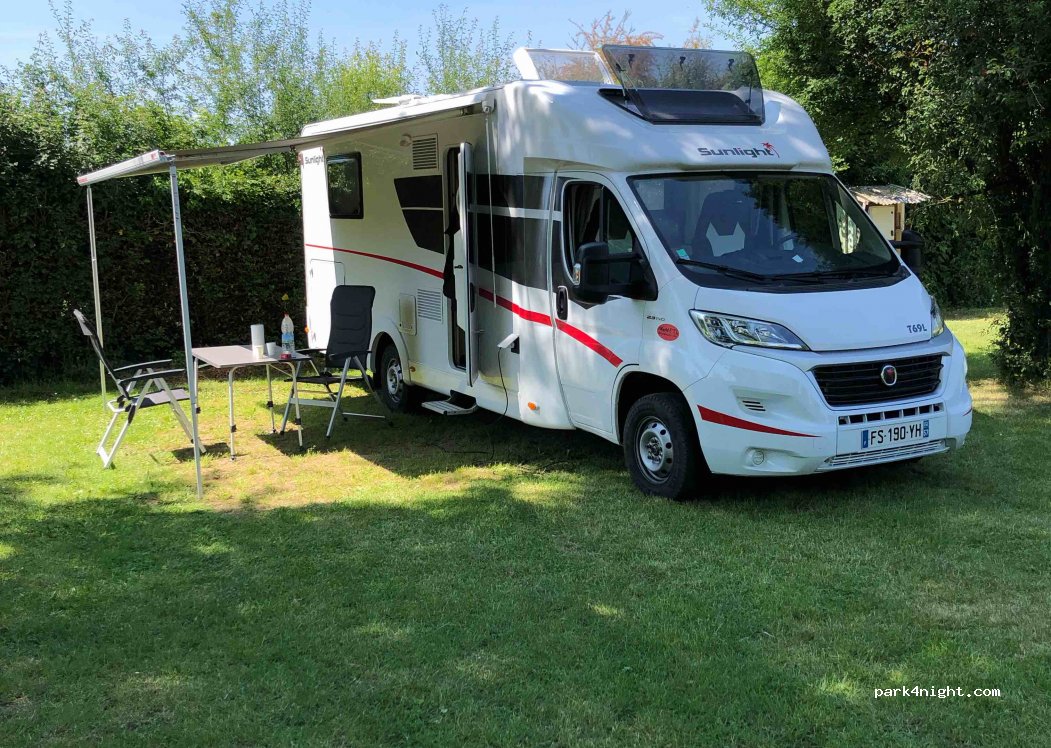
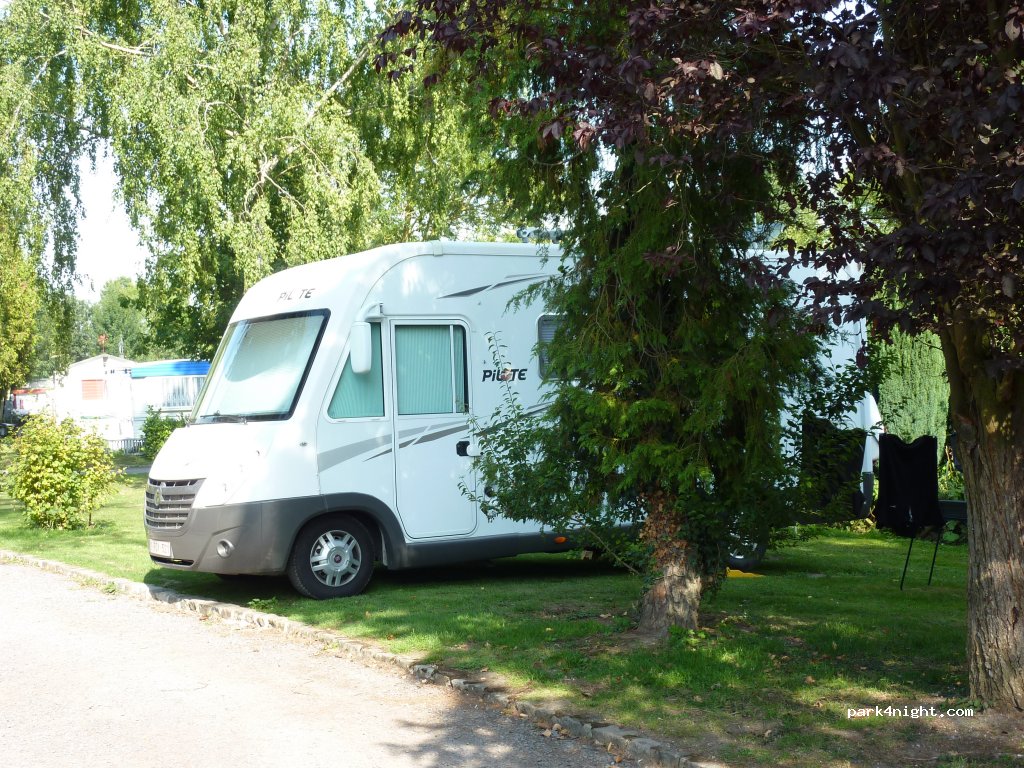
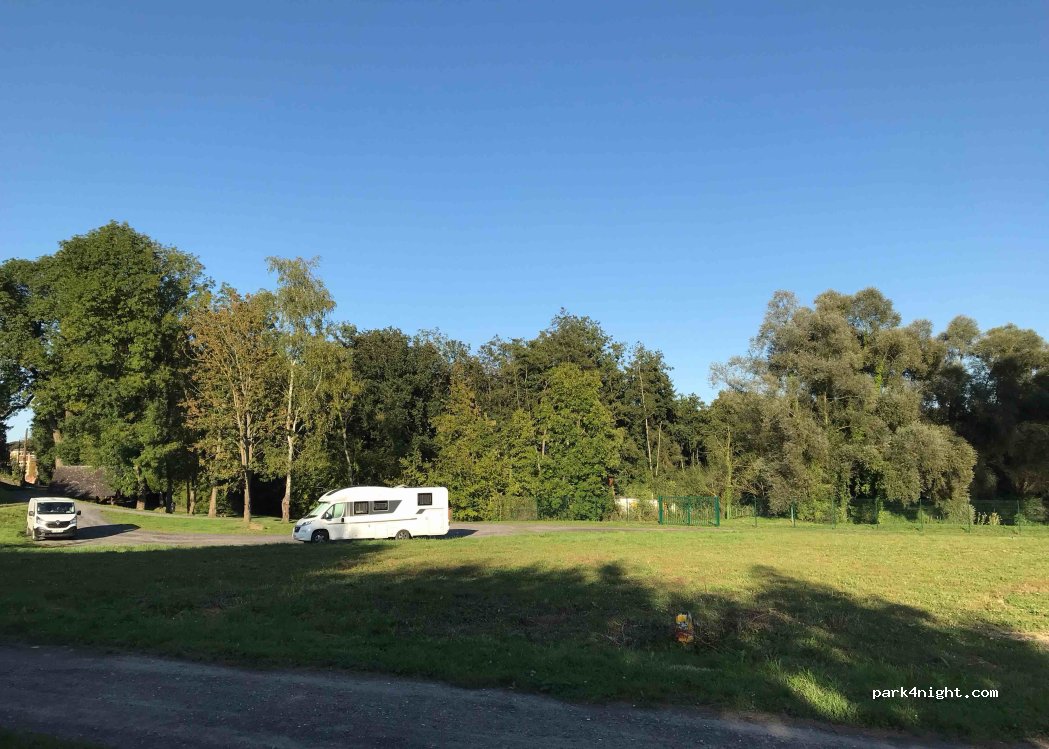
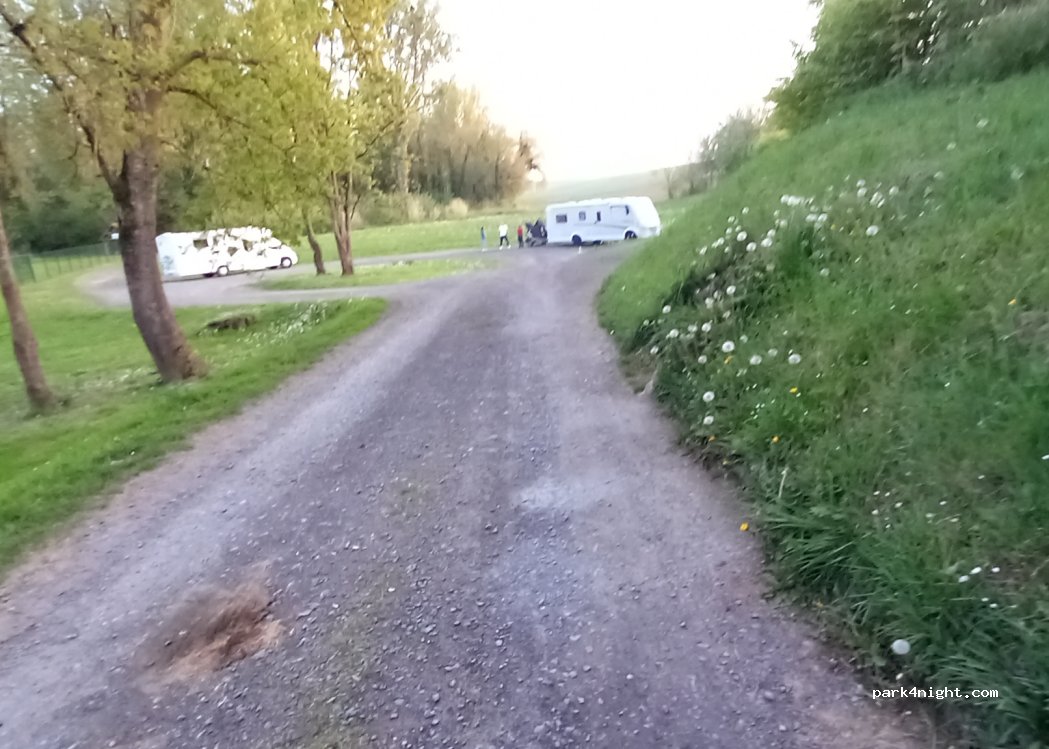
Et lorsque vous aurez cassé la croute au restaurant de la Place de la Mairie ou à l'auberge du Vermondois, vous dormirez comme un juste puisque l’endroit invite à y passer une nuit au calme.
Remarque : ne pas oublier qu’à 10 minutes de là il est impératif de s’arrêter pour visiter le touage de Riqueval à 02420 Bellicourt. Station d’épuration juste à coté. À éviter si le vent vient du nord ou du nord ouest.
Nice corner of nature located near the old 18th century washhouse. A stone's throw away, and therefore on foot, installed in the premises of a former mill, the Musée du Vermandois invites you to discover its many and various collections divided into different themes on the five levels of the building: Exterior view of the Musée du Vermandois - Museum archeology, mineralogy, paleontology and prehistory: with its furniture found in a necropolis dating from the end of the 4th century on the territory of Marteville-Vermand. - Museum of religious art: with its priestly clothes, objects of worship and piety, it is represented baptism, solemn communion, the altar, the priest with his clothes ... - Museum of costume: with the presentation of uniforms of soldiers, officers and civilians from 1870 to the present day. - Museum of the trades of yesteryear: with the workshops of the farrier, the carpenter, the blacksmith ... Your visit would not be complete without spending a few moments in the 12th century baptismal font in blue stone from Tournai, modern stained glass windows and colors by Paul Charavel, listed as Historical Monuments and located in the Sainte-Marguerite church, at the 18th century communal washhouse, formerly called "Les Fontaines", at the Saint-Blaise and Saint-Quentin chapels as well as at the Gallo oppidum. Roman. Near the Omignon river and its ponds. Quiet night and chirping morning.
Schöne Ecke der Natur in der Nähe des alten Waschhauses aus dem 18. Jahrhundert. Nur einen Steinwurf entfernt und daher zu Fuß in den Räumlichkeiten einer ehemaligen Mühle installiert, lädt das Musée du Vermandois Sie ein, seine vielen und verschiedenen Sammlungen zu entdecken, die auf den fünf Ebenen des Gebäudes in verschiedene Themen unterteilt sind: Außenansicht des Musée du Vermandois - Museumsarchäologie, Mineralogie, Paläontologie und Vorgeschichte: Mit seinen Möbeln in einer Nekropole aus dem Ende des 4. Jahrhunderts auf dem Gebiet von Marteville-Vermand. - Museum für religiöse Kunst: Mit seinen Priesterkleidern, Kultgegenständen und Frömmigkeit wird Taufe, feierliche Kommunion, der Altar, der Priester mit seinen Kleidern dargestellt ... - Kostümmuseum: mit der Präsentation von Uniformen von Soldaten, Offizieren und Zivilisten von 1870 bis heute. - Museum des Handwerks von gestern: mit den Werkstätten des Hufschmieds, des Zimmermanns, des Schmieds ... Ihr Besuch wäre nicht vollständig, wenn Sie nicht ein paar Augenblicke dem Taufbecken aus blauem Stein aus Tournai aus dem 12. Jahrhundert und modernen Glasmalereien widmen würden Fenster und Farben von Paul Charavel, die als historische Denkmäler aufgeführt sind und sich in der Sainte-Marguerite-Kirche befinden, im kommunalen Waschhaus aus dem 18. Jahrhundert, früher "Les Fontaines" genannt, in den Kapellen Saint-Blaise und Saint-Quentin sowie im Gallo oppidum. Roman. In der Nähe des Flusses Omignon und seiner Teiche. Ruhige Nacht und zwitschernder Morgen.
Bonito rincón de la naturaleza situado cerca del antiguo lavadero del siglo XVIII. A tiro de piedra, y por lo tanto a pie, instalado en las instalaciones de un antiguo molino, el Musée du Vermandois le invita a descubrir sus múltiples y variadas colecciones divididas en diferentes temáticas en los cinco niveles del edificio: Vista exterior del Musée du Vermandois - Museo de arqueología, mineralogía, paleontología y prehistoria: con sus muebles encontrados en una necrópolis que data de finales del siglo IV en el territorio de Marteville-Vermand. - Museo de arte religioso: con sus vestimentas sacerdotales, objetos de culto y piedad, se representa el bautismo, la comunión solemne, el altar, el sacerdote con su vestimenta ... - Museo del traje: con la presentación de uniformes de soldados, oficiales y civiles desde 1870 hasta la actualidad. - Museo de los oficios de antaño: con los talleres del herrador, el carpintero, el herrero ... Su visita no estaría completa sin dedicar unos momentos a la pila bautismal del siglo XII en piedra azul de Tournai, a las vidrieras modernas ventanas y colores de Paul Charavel, catalogado como Monumento Histórico y ubicado en la iglesia de Sainte-Marguerite, en el lavadero comunal del siglo XVIII, antes llamado "Les Fontaines", en las capillas de Saint-Blaise y Saint-Quentin, así como en el Gallo oppidum Roman. Cerca del río Omignon y sus estanques. Noche tranquila y mañana chirriante.




 France